It’s been a long time since I’ve been in school—20 years in fact. I’ve even wondered if I could still do school…or if the fact-memorizing, test taking, paper writing portion of my brain is gone for good.
But Curtis has a passion for studying the Bible in its historical, cultural, and geographic context and it is rubbing off on me. So we decided to take “Ancient Egypt and the Bible,” a graduate level course offered by Jerusalem University College (a school located in the Old City of Jerusalem). This particular course was being offered both in class and online and included a week-long field study in Egypt.
Due to the other “stuff” of life, I ended up auditing the course (so my ability to really do school remains yet undetermined), but I did gain a deepened appreciation for Egypt and its 5,000 year history—which stands in stark contrast to the mere 250 years of US history.
You may know that the first substantive mention of Egypt in the Bible was in Genesis 12 when Abram went there during a famine in Canaan (circa 2000 BC). The pyramids and Sphinx would have already been in existence ~1000 years at that time. Who knows, maybe there were already swarms of vendors there peddling souvenirs and camel rides.
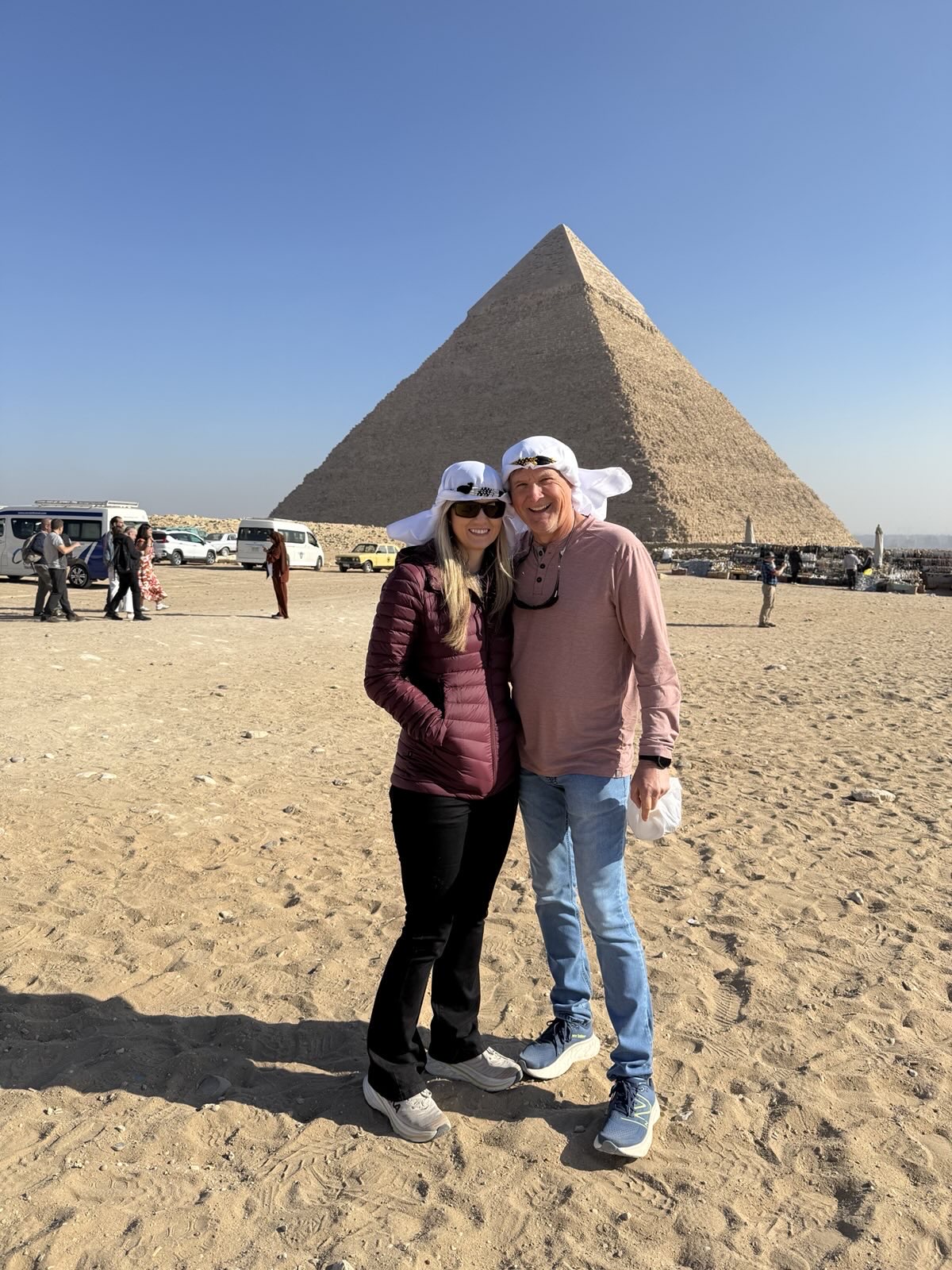
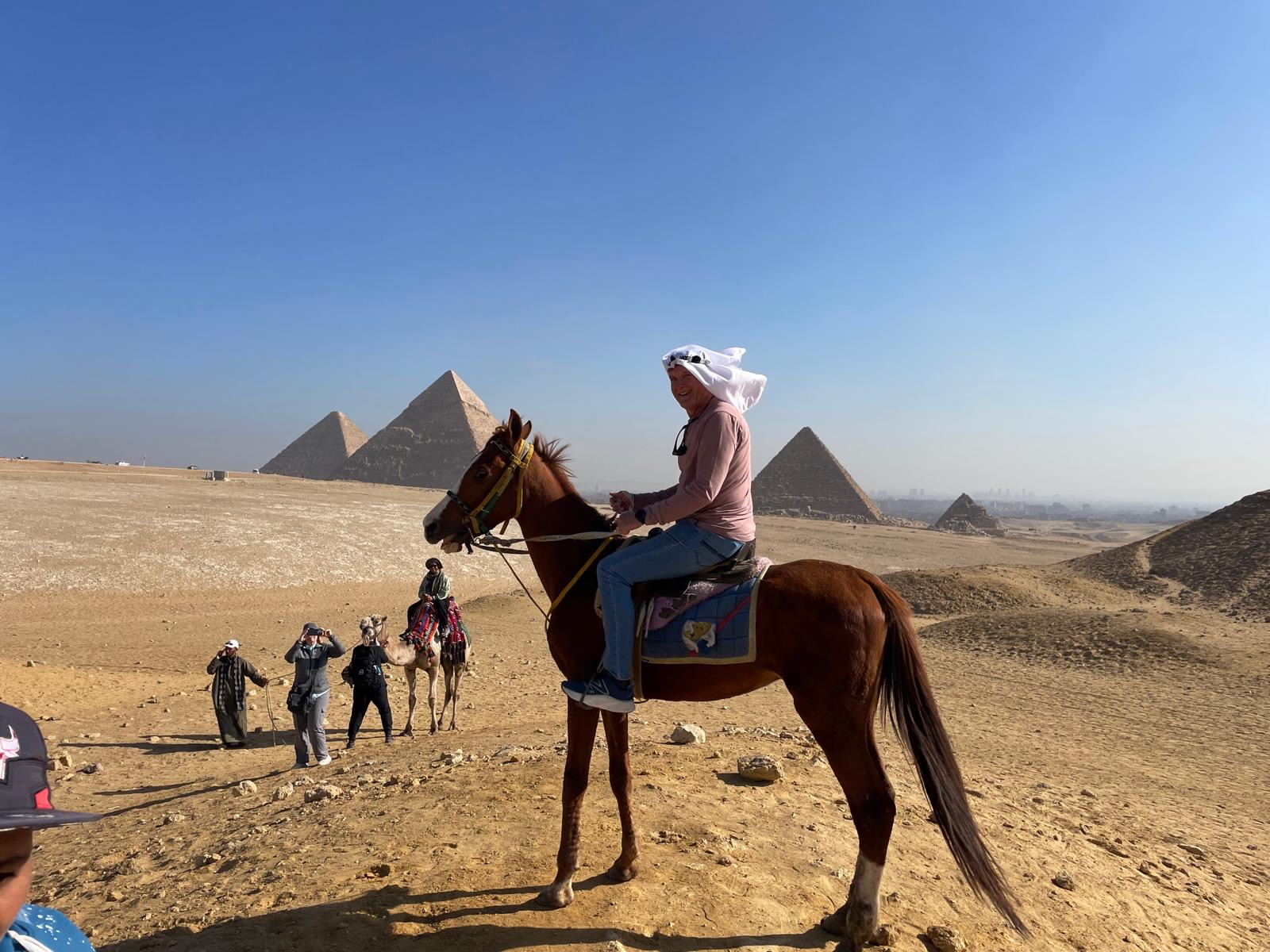
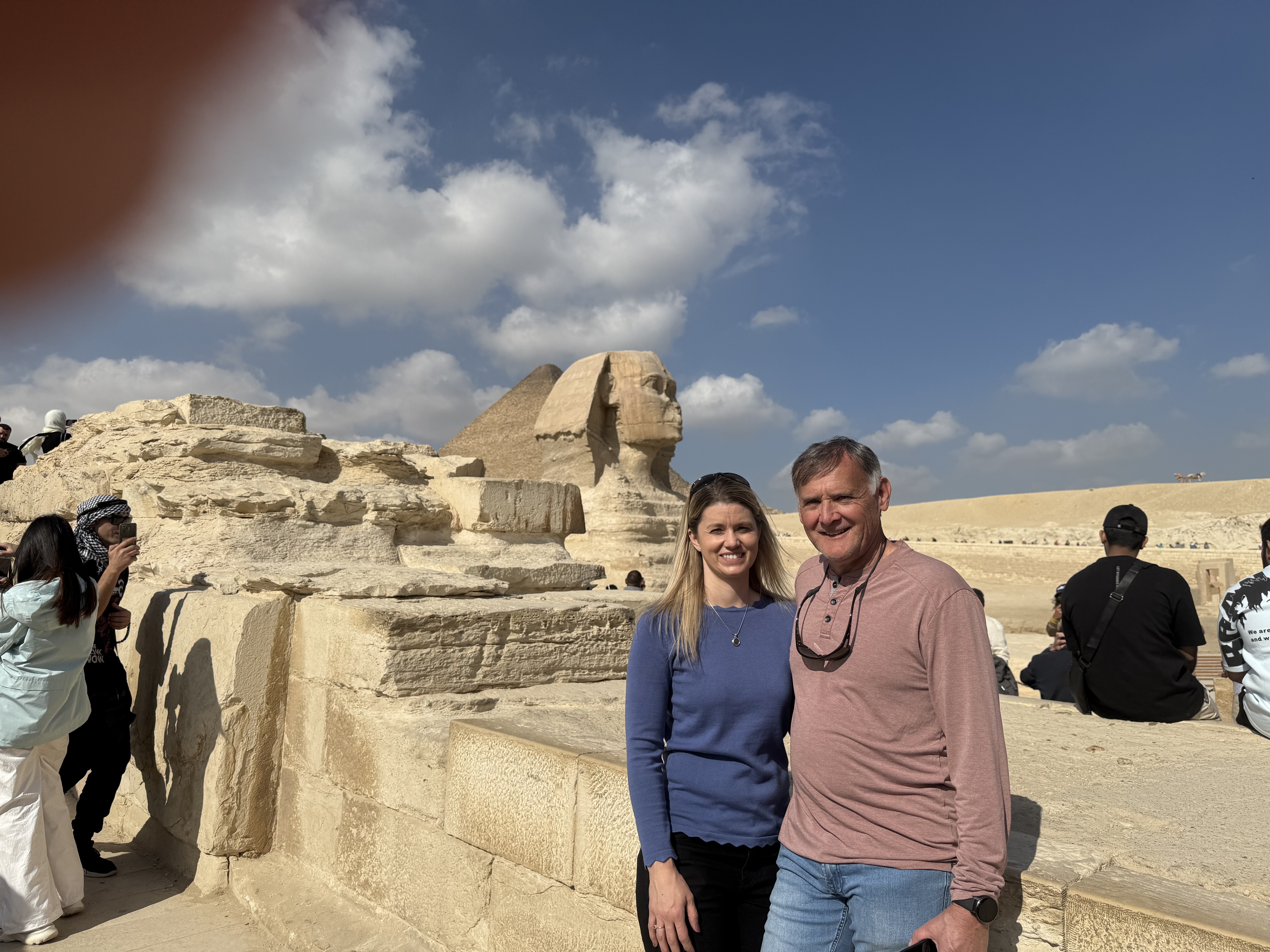
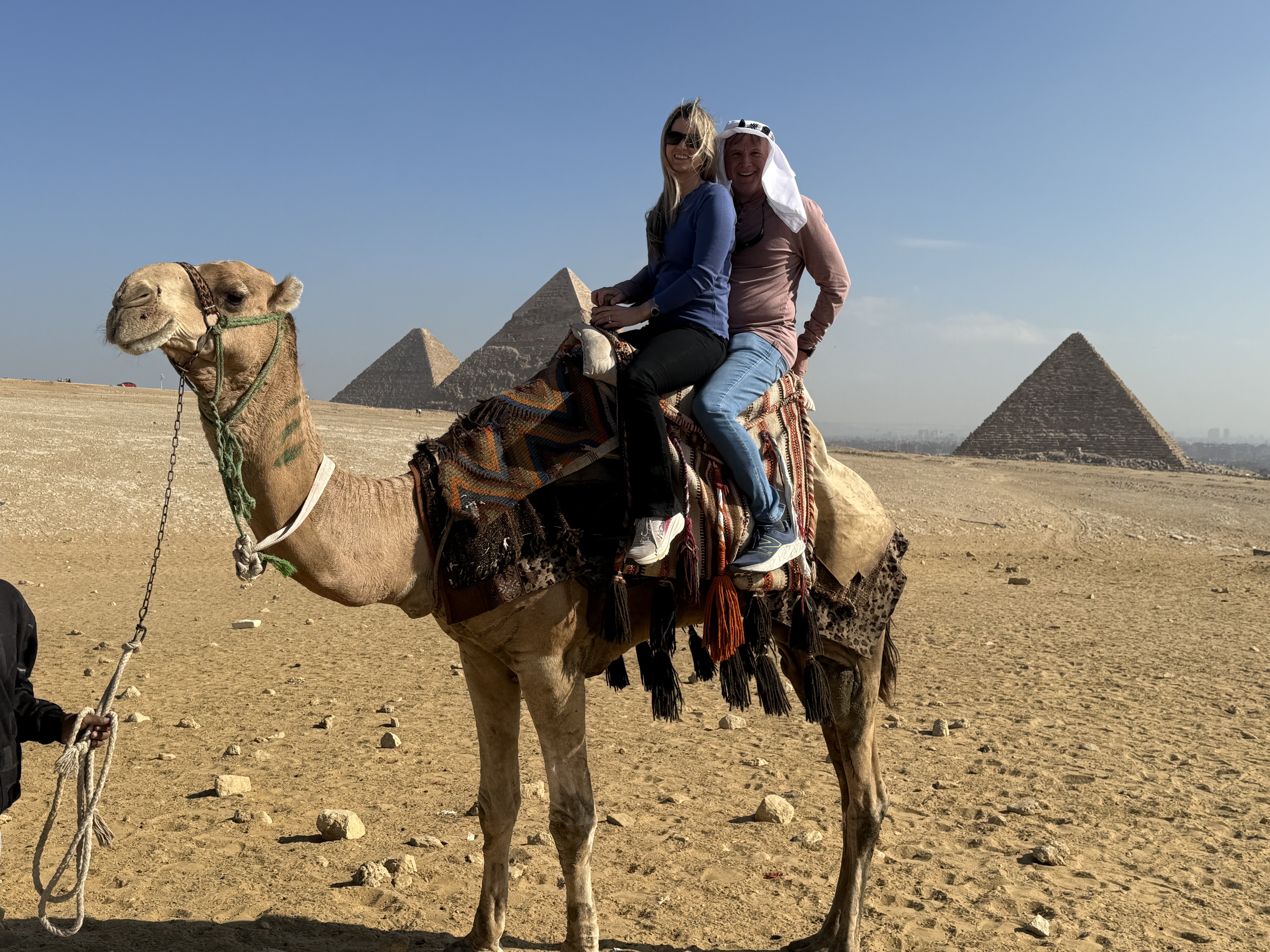
Some time later, Isaac went to Egypt. Joseph, of course, went to Egypt and later brought down Jacob and his other sons.
We had fun learning about the Pharaonic dynasties and who might have been on the throne at the various Bible intersections. We can’t say with certainty where the pieces fit but there are a number of interesting clues.
Of course, no study can be made of Egypt without some examination of the many and confusing Egyptian gods. We saw their icons engraved everywhere up and down the Nile in the temples, tombs, and museums. In reality, most of what we know about ancient Egyptian culture comes from tombs and temples because those were the structures built of stone because they were meant to be eternal. Palaces and other dwellings were only built of mud brick and largely did not survive the dessert sands of time.
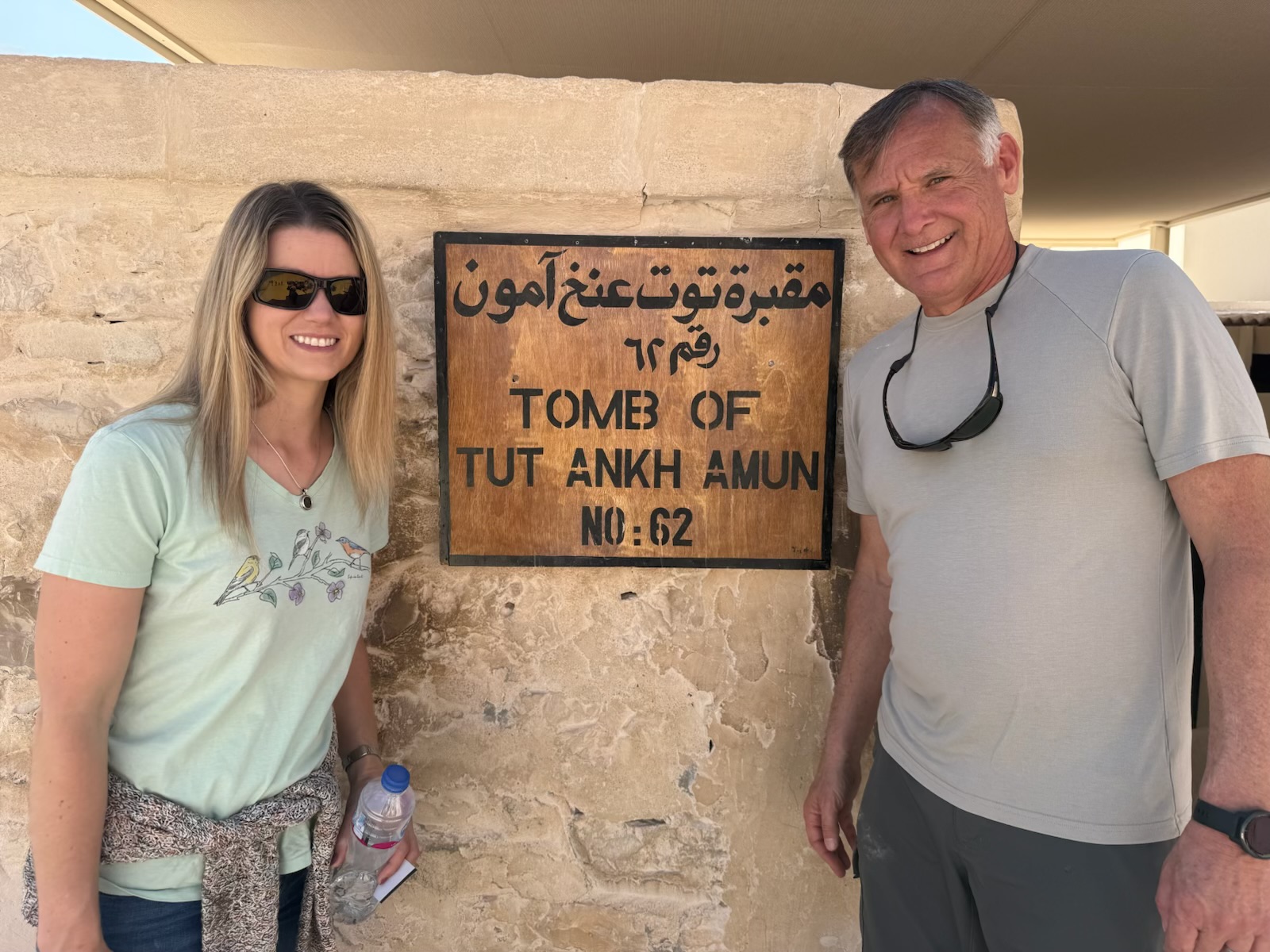
But the tombs and temples tell us the Egyptians were big believers in the afterlife. We know they went to great lengths to preserve their bodies i.e. mumification—a practice that took 70 days (done to both Jacob [Gen 50:1-3] and Joseph [Gen 50:26] in some fashion although his bones were later taken out of Egypt).
They prepared for the afterlife meticulously and the Pharaohs would begin build their pyramid complex (or mustabas) upon taking the throne—probably a good idea considering the high rates of murder, assassination, and other dangers inherent in being the ruler of the known world. They also prepared extravagantly—although nearly all the ancient tombs were subsequently robbed of all their treasures, the wealth and skill of their civilization was evidenced from the elaborate colored engravings and paintings still surviving in the Valley of the Kings and elsewhere.
We did get to see the treasure found in King Tut’s tomb—the only tomb found in tact—when we went later to the Egyptian Museum in Cairo. His 22 pound sold gold mask is on display together with other intricate and amazing jewelry.
Of course, as with all civilizations, the nation experienced the rise and fall of power multiple times over the years. Our Egyptian guide worked to help us understand the roughly 30 dynasties and how they divided into the old, middle, intermediate, and new kingdoms.
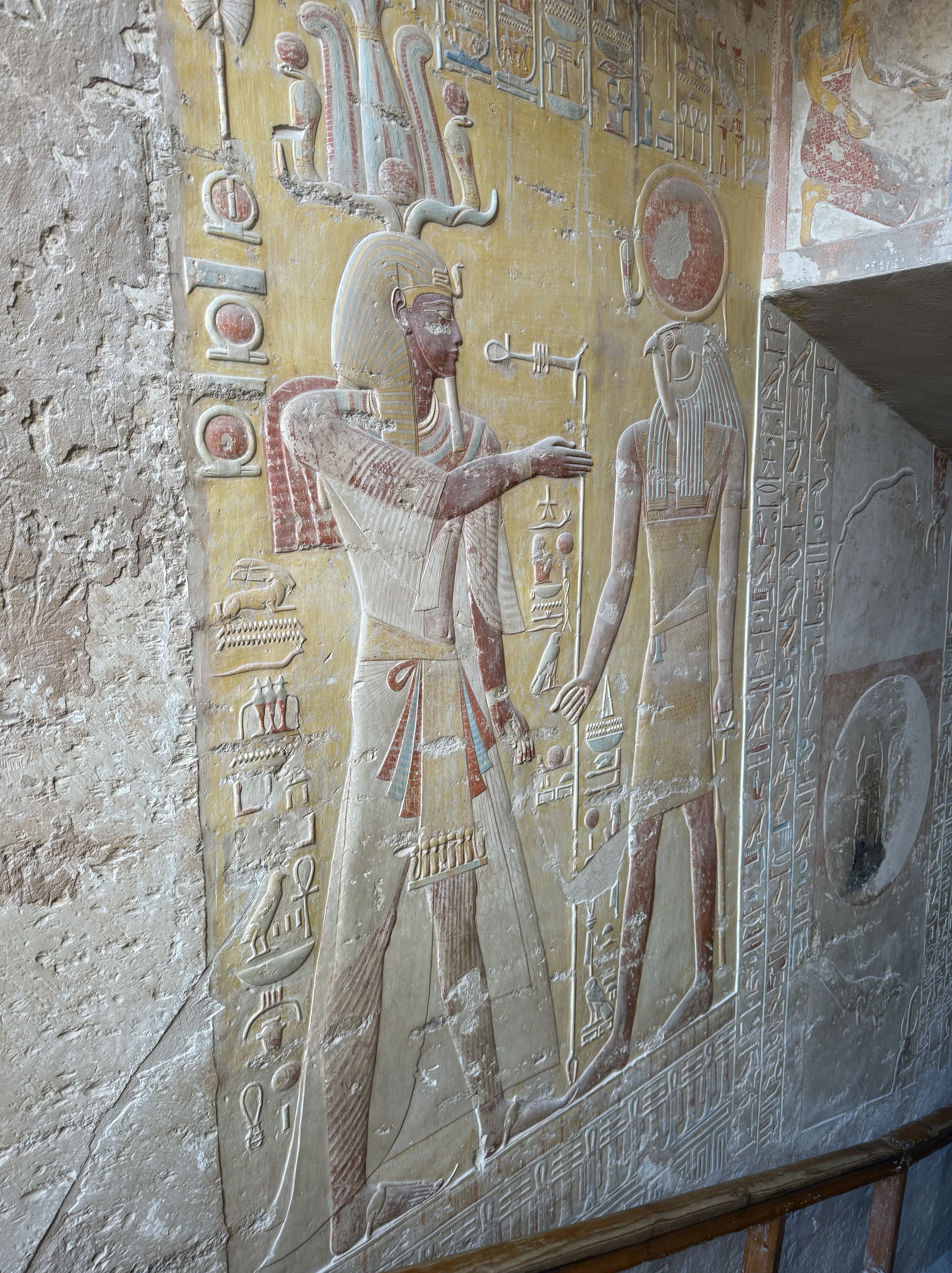
The iconography of the various Pharaohs and gods seemed similar to my untrained eye, but he pointed out what was from “upper” (Southern) Egypt, “lower” (Northern) Egypt, the combined kingdoms, the Ptolemides, and the later Greco Roman rulers (who continued worship of the Egyptian gods in effort to gain favor and keep control of the people).
All of the Pharoahs had five names. Ramses II in particular was big on PR and his “cartouche” bearing his name would be engraved 12-15 times on some of his statues in effort to prevent later Pharaoh’s from erasing his name and pirating his monument. A fairly legit concern…Queen Hatshepsut (or “hot chicken soup” as our guide called her) a few dynasties before suffered from just such an erasing and she was not the only one.
Dr Hersey, the President of Jerusalem University College and our Prof for this class, has studied Egyptology in depth and gave us a number of insights and interesting parallels in the book of Exodus with other passages of Scripture. He informed us that the Hebrew name for Exodus is actually the book of “Names” which is interesting given the infatuation of the Pharaohs with their own names, the absence of certain names—including Pharaoh’s—from the book, and God’s revealing of His own name at the burning bush (Exodus 3).
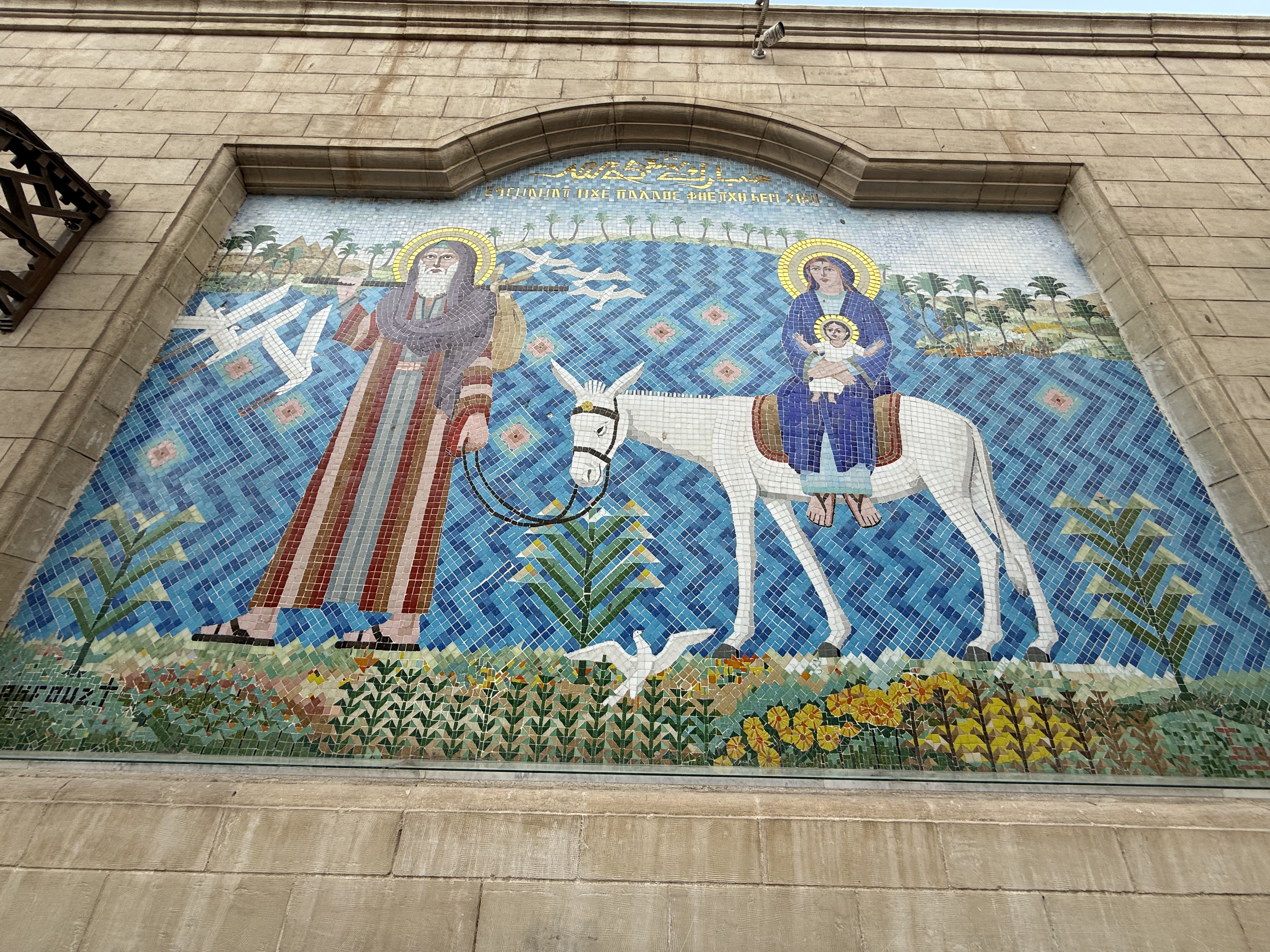
This trip has heightened my interest in some of the other mentions of Egypt in Scripture…We have a record of the prophet Jeremiah being taken to Egypt against his will. The political power of Egypt is mentioned in Isaiah who warns against them turning to Egypt for defense instead of to the Lord. Of course we know Joseph, Mary, and Jesus sojourned in Egypt for some time after era—a fact the Coptic Christians have proudly commemorated in a number of locations (some of which we got to visit).
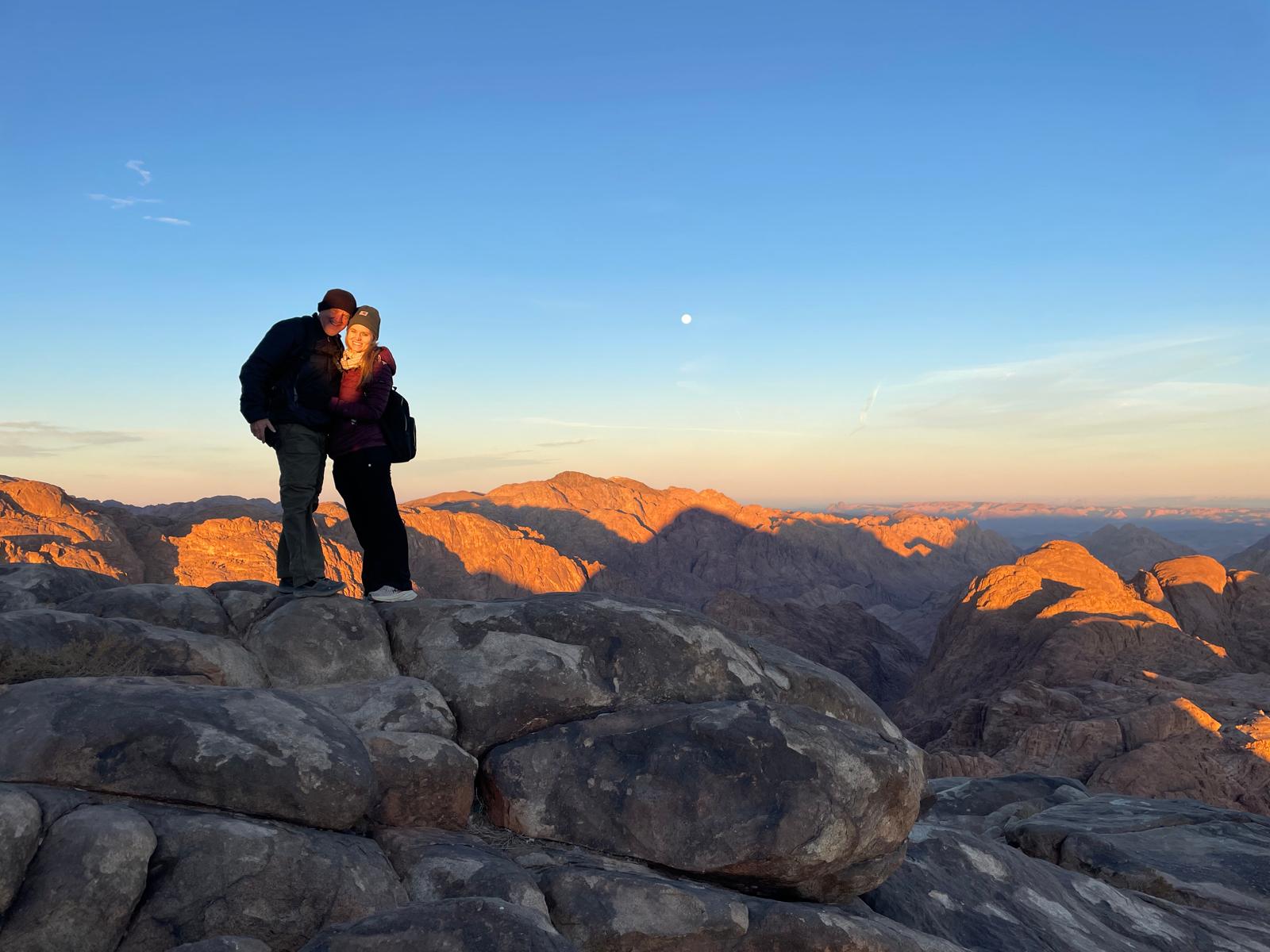

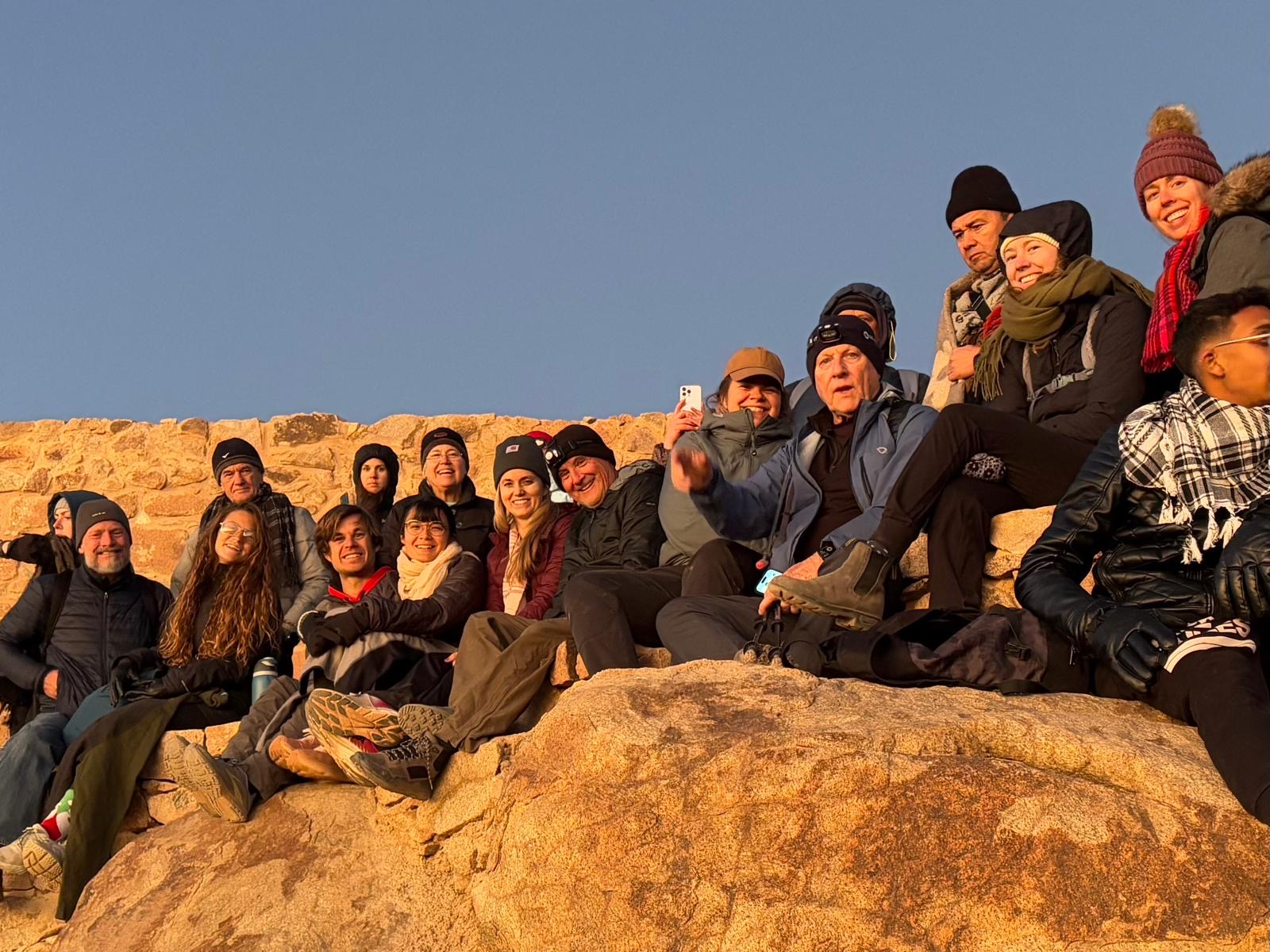


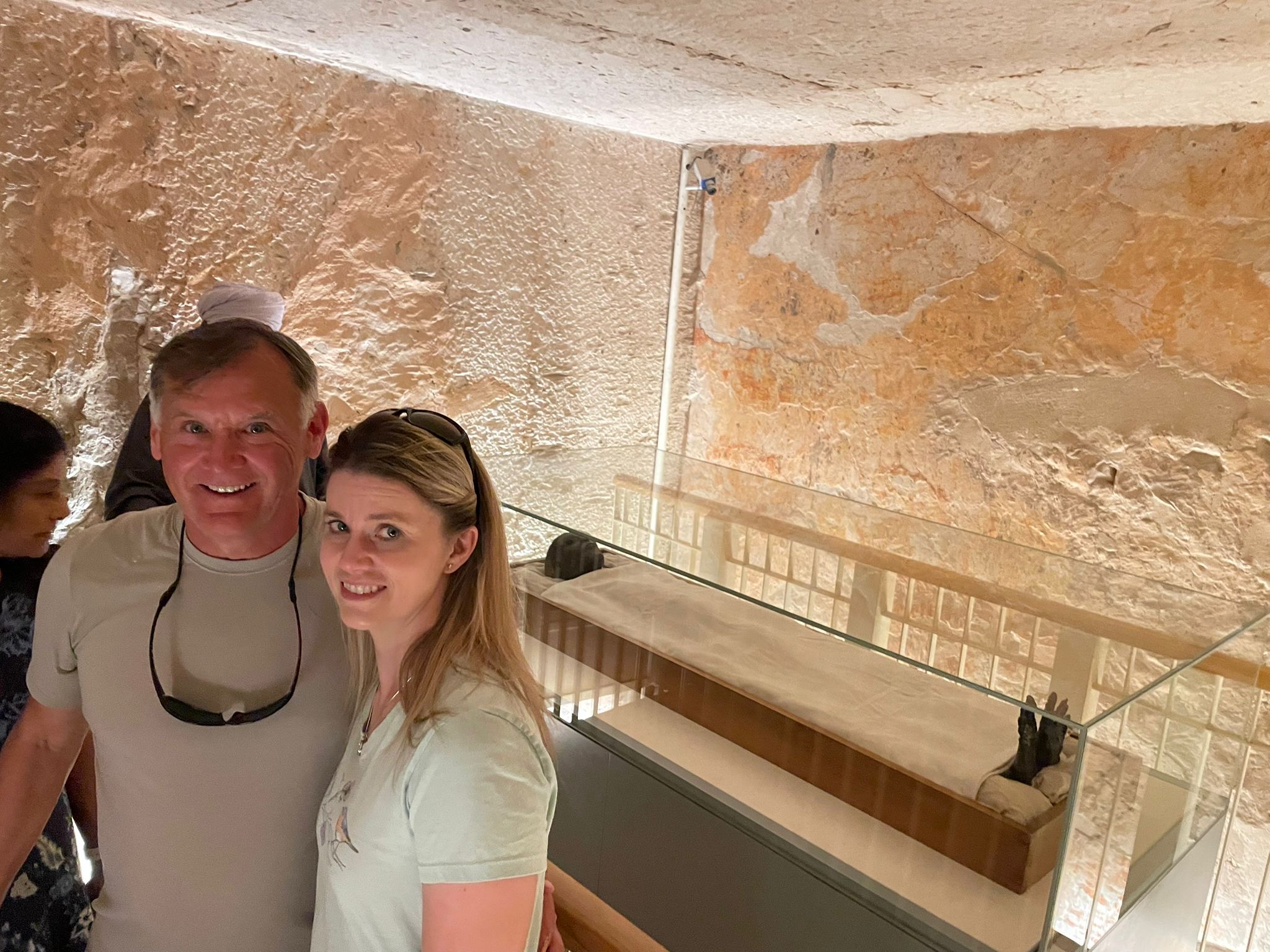
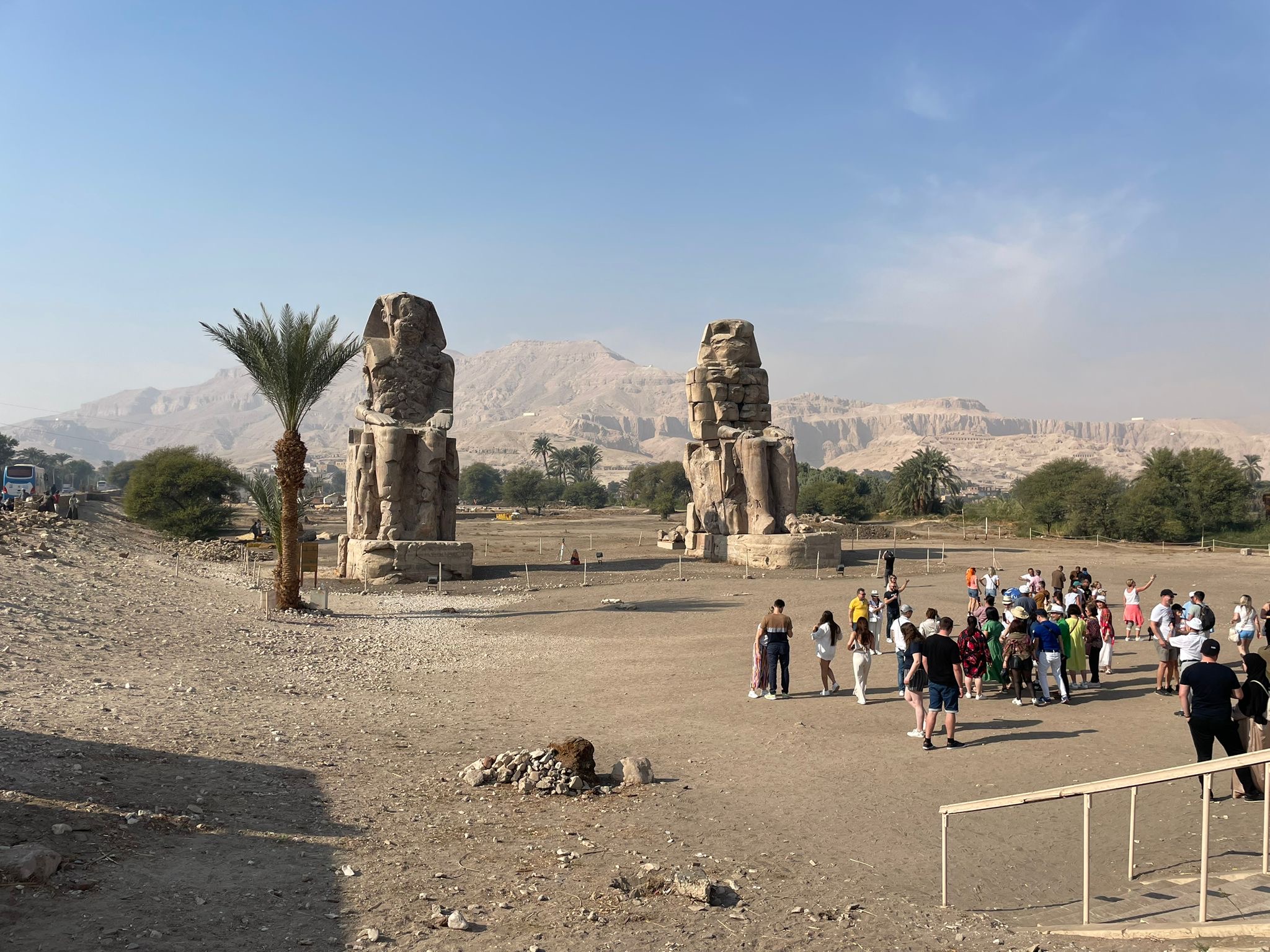
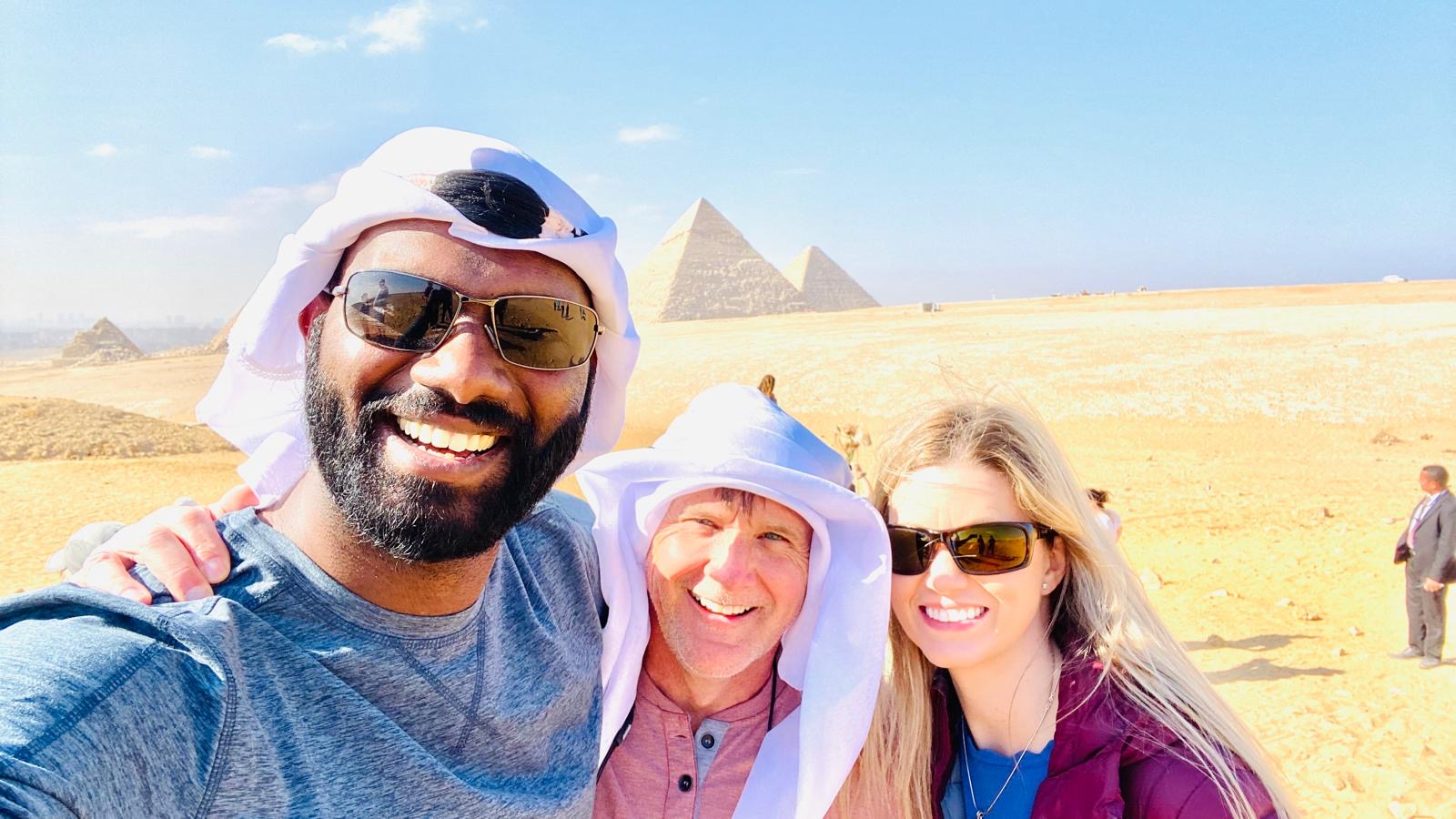

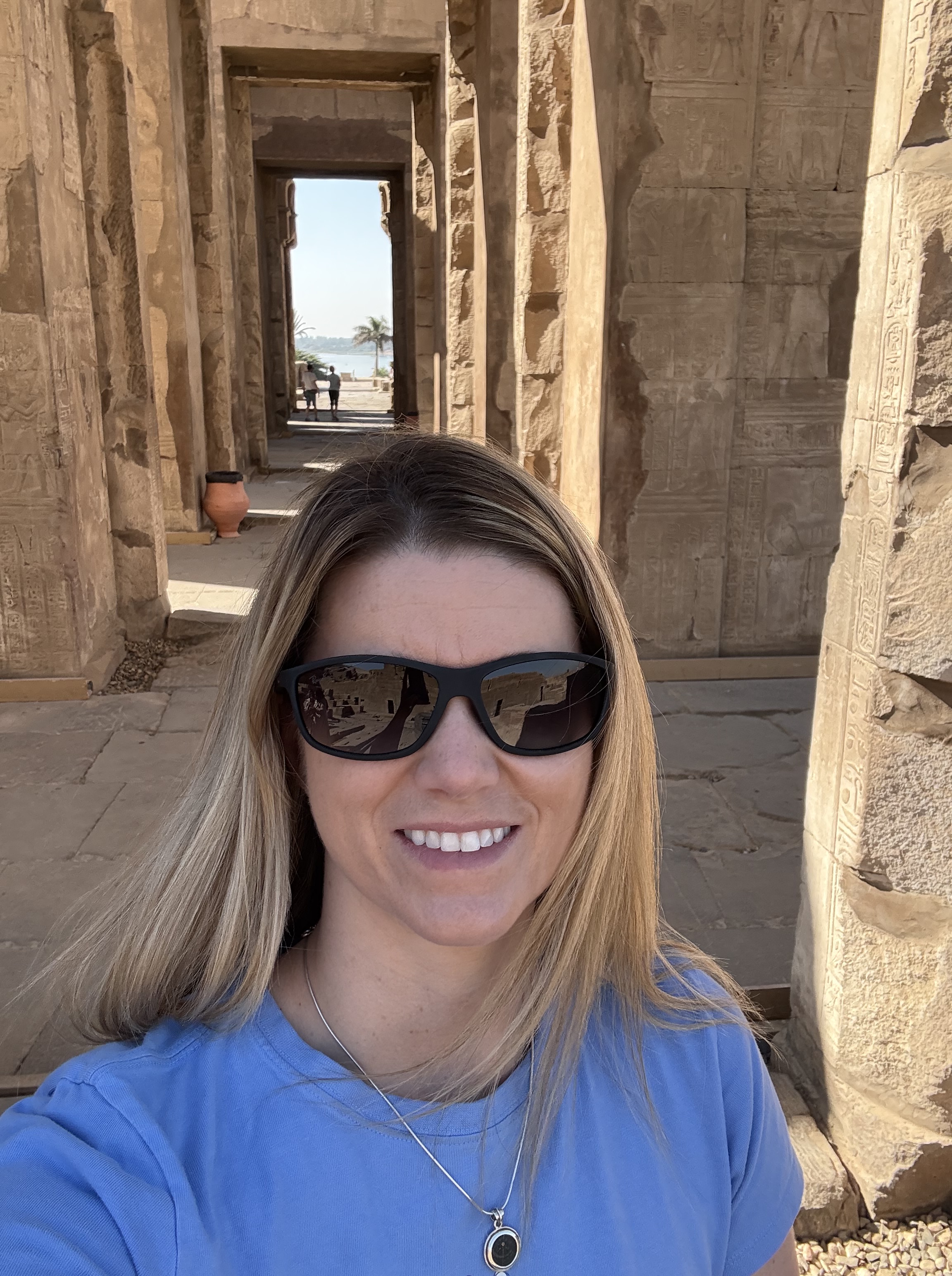

In a week of traveling up and down the beautiful Nile and into the “wilderness of Sinai,” I feel we have only scratched the surface of the incredible nation of Egypt and the way God used it to shape history and the Bible.
Egypt will ever hold a place in my heart as a unique treasure trove of history where the weather is dry, the people are friendly, the trains are nasty (except cabin 5), and the bathroom is only $.25. Toilet paper included. Usually.


We very much enjoyed our time with Dr Hersey and the other JUC students and hope we can see them again soon on another adventure!
 Law, Grace, & Real Estate